Research & People
Biomaterial-based Precision Therapy Platforms Pioneering Future Medicine - Prof. Lee Chung-sung, Department of Pharmaceutical Engineering -
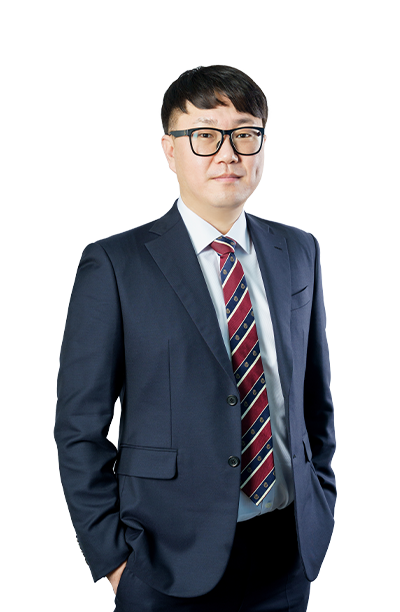
Q. Last year, you achieved notable research outcomes—including selection for the Ministry of Science and ICT’s Early-Career Researcher Infrastructure Support Program and the Ministry of Education’s G-LAMP project, as well as multiple listings in “Outstanding Paper of the Month.” Given your research trajectory, further achievements are highly anticipated. Could you please share your current main research direction or any new goals you are pursuing as a researcher and educator?
A. Recently, I have been focusing on advanced therapeutic platform research based on bio-derived nanovesicles and precision drug delivery systems. In particular, I am developing targeted delivery technologies that utilize cell-derived nanovesicles such as exosomes to selectively transport drugs or gene therapeutics to specific tissues. I expect this approach to open new possibilities for treating intractable diseases such as fibrosis and metabolic bone disorders.
In addition, I am conducting research on microneedle-based transdermal drug delivery systems and sustained-release pharmaceutical platforms to improve both delivery efficiency and therapeutic duration of existing treatments. I believe these studies represent important examples of translational research, where study of fundamental biomaterials directly yields practical therapeutic technologies.
As an educator, an important goal of mine is to create a research environment where students grow beyond simply acquiring experimental techniques and instead become independent researchers who can formulate their own research questions and explore solutions. At the same time, I also strive to guide students by considering their individual interests and career paths, helping them build specialized expertise aligned with their academic and professional goals.
Q. You also participated in the planning stage of the G-LAMP project in 2024 and 2025 and have been actively conducting research as a LAMP faculty member since its selection. Could you explain how the G-LAMP project has changed your research or collaborative environment, and what research expansions you expect through this program?
A. The G-LAMP project has significantly expanded the interdisciplinary research environment beyond individual research efforts, serving as an important research platform. I was fortunate enough to participate from the planning and writing stages, and through discussions and collaboration with the project director and excellent fellow researchers, I was able to establish my current research foundation.
Since joining the program, collaboration with researchers in life sciences, chemistry, pharmacology, and clinical medicine has become much more active, enabling a more integrated and convergent research environment. In particular, fields such as nanomedicine and exosome-based delivery systems inherently require multidisciplinary collaboration, making this research network extremely valuable.
Going forward, I aim to further expand next-generation therapeutic platform research that integrates biomaterial-based drug delivery technologies with advanced biopharmaceutical systems through the LAMP project, and to establish a foundation that enables these outcomes to evolve into global collaborative research.
Q. As a committee member of the World Biomaterials Congress and through your active engagement in the “Mechanobiology-based Regenerative Medicine Research Exchange Group” with Professor Hwang Yong-sung, you remain very active in the field of biomaterials. In particular, biomaterials are garnering attention as a key platform for safe delivery of drugs to target tissues. Could you introduce the latest research trends in this field and the changes expected in real clinical practice?
A. Recent biomaterials research is rapidly evolving beyond passive carriers that simply deliver drugs, toward precision therapeutic platforms that function according to the characteristics of specific diseases and tissue environments. In particular, nanoparticle-based drug delivery systems utilizing cell-derived nanovesicles such as exosomes, hydrogel-based tissue substitutes, and microneedle-based transdermal delivery technologies are gaining attention as innovative strategies for delivering therapeutic agents more efficiently to target tissues.
These technologies have demonstrated the potential to overcome limitations of conventional therapies, such as poor delivery efficiency and systemic side effects. Furthermore, active research is being conducted on targeted nanodelivery systems that selectively transport therapeutic agents to tissues affected by disease.
As these biomaterial-based delivery technologies continue to advance into clinical applications, they are expected to further promote precision medicine and minimally invasive treatment strategies by enhancing therapeutic efficacy while minimizing adverse effects. I believe biomaterials will become a core platform technology in future biomedical innovations, playing a crucial role in improving the effectiveness of disease treatment.
Q. You are currently serving as the Chair of the Department of Pharmaceutical Engineering and are playing a significant role in the department’s development. As you juggle the responsibilities of researcher, educator, and administrator, you must have a very demanding schedule. Could you share your personal approach to time management and the motivation that keeps you engaged in research amid multiple roles?
A. When balancing research, teaching, and administrative responsibilities, effective time management becomes critically important. I try to maintain continuity and focus in my research by clearly defining research directions and priorities while efficiently distributing responsibilities among lab members. Since assuming the role of department chair, I have been fortunate to receive tremendous support from senior faculty members and colleagues within the department. Their cooperation has helped me adapt to the position relatively easily.
I also believe that the continued growth of my research is made possible by the dedication of the students and researchers working alongside me in the laboratory. I gain a great deal of energy from discussing new research ideas and conducting experiments together, and I am always grateful to both my lab members and department colleagues. Above all, the greatest motivation that keeps me to continue research is the possibility of discovering new knowledge and applying it to solve real-world problems. Working with students to develop research ideas and interpret experimental results keeps reminding me of the value and purpose of research. These experiences serve as the strongest source of motivation for me to continue both research and education.
Q. Is there anything else you would like to share?
A. I believe that my ability to continue conducting research has been possible thanks to the dedication of the students, researchers, and collaborators who have worked alongside me. I would also like to express my sincere gratitude to the university, research institutions, and the Research Planning Team for creating a supportive research environment and providing this valuable opportunity.
Going forward, I intend to continue pursuing research that transforms ideas originating from fundamental studies in biomaterials and drug delivery into practical medical technologies. At the same time, I will do my best in both research and education to help students, as well as myself, develop into full-fledged researchers who can compete successfully in the global research environment.
Most importantly, I have been able to continue my research journey with the support of the people around me, and I remain deeply grateful for their help. Building upon these experiences, I will continue striving to contribute to the advancement of research and academic excellence at Soonchunhyang University.